
P.O. Box 3558
Chapel Hill, NC 27515-3558
Strowd Roses, Inc. is a 501(c)(3) nonprofit organization.


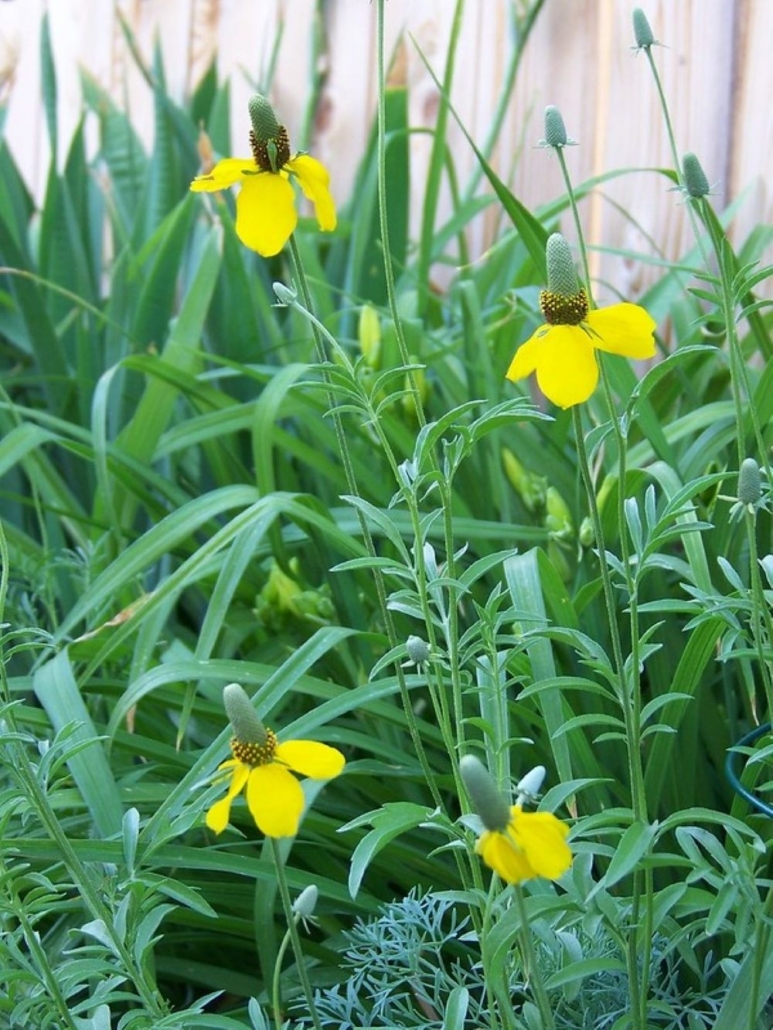
Ratibida columnifera, commonly known as Prairie Coneflower, is a drought-tolerant perennial native to the prairies and plains of North America. It is best recognized for its distinctive flower heads, which feature a brown central cone surrounded by bright yellow petals that droop steeply downward. Blooming continuously from early summer through early autumn, the showy flower heads sit atop branching stems with feather-like foliage.
P.O. Box 3558
Chapel Hill, NC 27515-3558
Strowd Roses, Inc. is a 501(c)(3) nonprofit organization.

 Prairie Dropseed